Find your Design Direction
TURN ALL THOSE SAVED IMAGES INTO A HOME THAT FEELS LIKE YOU
Most of us have a pretty good idea of what we like, even if we would struggle to describe our interior style.
You may have saved hundreds of images, collected ideas for kitchens and bathrooms and know exactly which rooms make you stop scrolling. The difficult part is usually not finding inspiration. It is working out what all those ideas have in common and how to translate them into your own home.
That is where having a clear design direction becomes so helpful.
How do I know what to choose first in a renovation?
I would avoid starting with all the little decisions.
It is very easy to become distracted by tiles, cushions, artwork and beautiful pieces of furniture when you are renovating, but those choices make much more sense once you understand the bigger picture.
I like to establish the elements that are going to have the greatest influence on the room first. That might be the layout, flooring, kitchen cabinetry, key furniture, architectural details, materials or overall colour direction.
Once those foundations are in place, the smaller decisions become much easier because you have something to work from.
Instead of looking at every new product and asking yourself whether you like it, you can ask whether it works with the direction you have already established.
That does not mean everything needs to match. In fact, I think a home is much more interesting when there is some variation. It simply means that the choices feel as though they belong together.
I know what I like but I do not know how to put it together. What should I do?
This is incredibly common, and it does not mean that you do not have a sense of style.
Sometimes the problem is that you are responding to lots of different things without realising what it is about them that you actually like.
Perhaps it is the warmth of the room, the natural materials, the proportions, the way the light falls or the combination of old and new. You might save a very contemporary room and then save something much more traditional, but what you love about both could actually be the same sense of calm, warmth or simplicity.
I find it much more useful to look at those underlying qualities than to try to put a label on your style.
Your home also needs to work with the house you have and the way you live. A beautiful image on Pinterest may be perfect inspiration, but that does not mean the exact same room would work in your home.
The design process is about taking what you love and translating it into something that feels right for your particular space, your architecture and your everyday life.
So no, you do not need to arrive knowing exactly what your interior style is. A collection of things you love is more than enough to start with.
How do I avoid expensive interior design mistakes during a renovation?
I do not think anyone can guarantee that every decision will be perfect, but there are certainly ways to reduce the chance of making decisions that you later wish you had approached differently.
The biggest issue I see is often that decisions are made in isolation.
A kitchen is chosen without considering the dining area. Furniture is bought before the layout has been properly resolved. Lighting is planned before anyone has thought about where people will actually sit. Finishes are selected individually and then do not quite work together when they are all in the same room.
It is much easier to make good decisions when you step back and consider the whole space.
Think about how the rooms relate to each other, how you will use them, what you will see from one space into another and which decisions will be difficult to change later.
It is also worth remembering that spending more does not necessarily mean making better decisions. Sometimes the most valuable thing you can invest in, is simply taking the time to think something through properly before you commit.
Where LABODE can help
If you have lots of inspiration but are struggling to turn it into a cohesive design, Scheme Design can give you the direction and foundations you need.
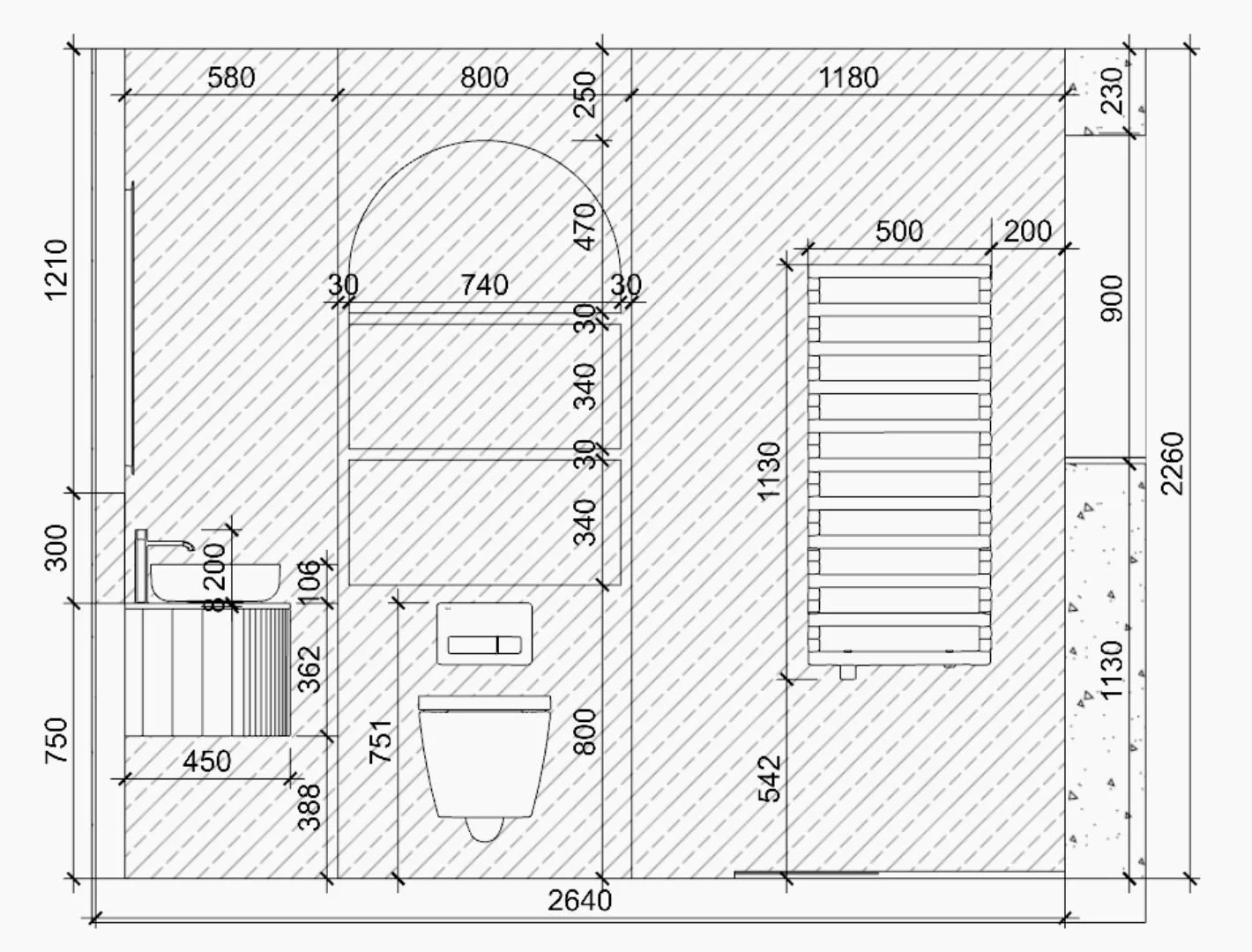
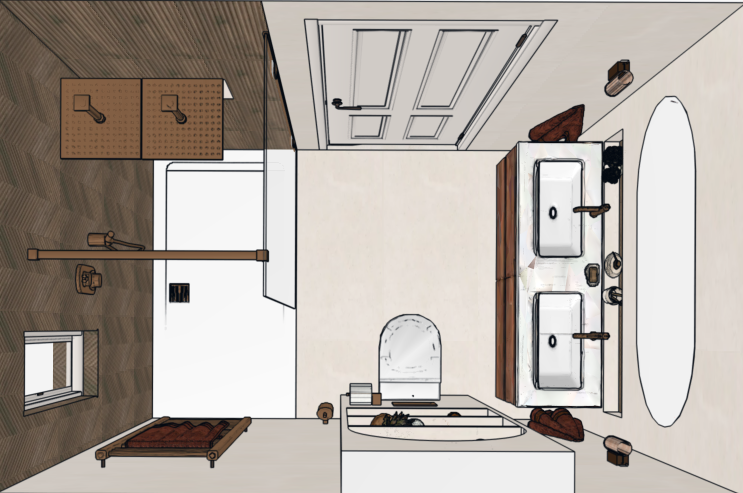
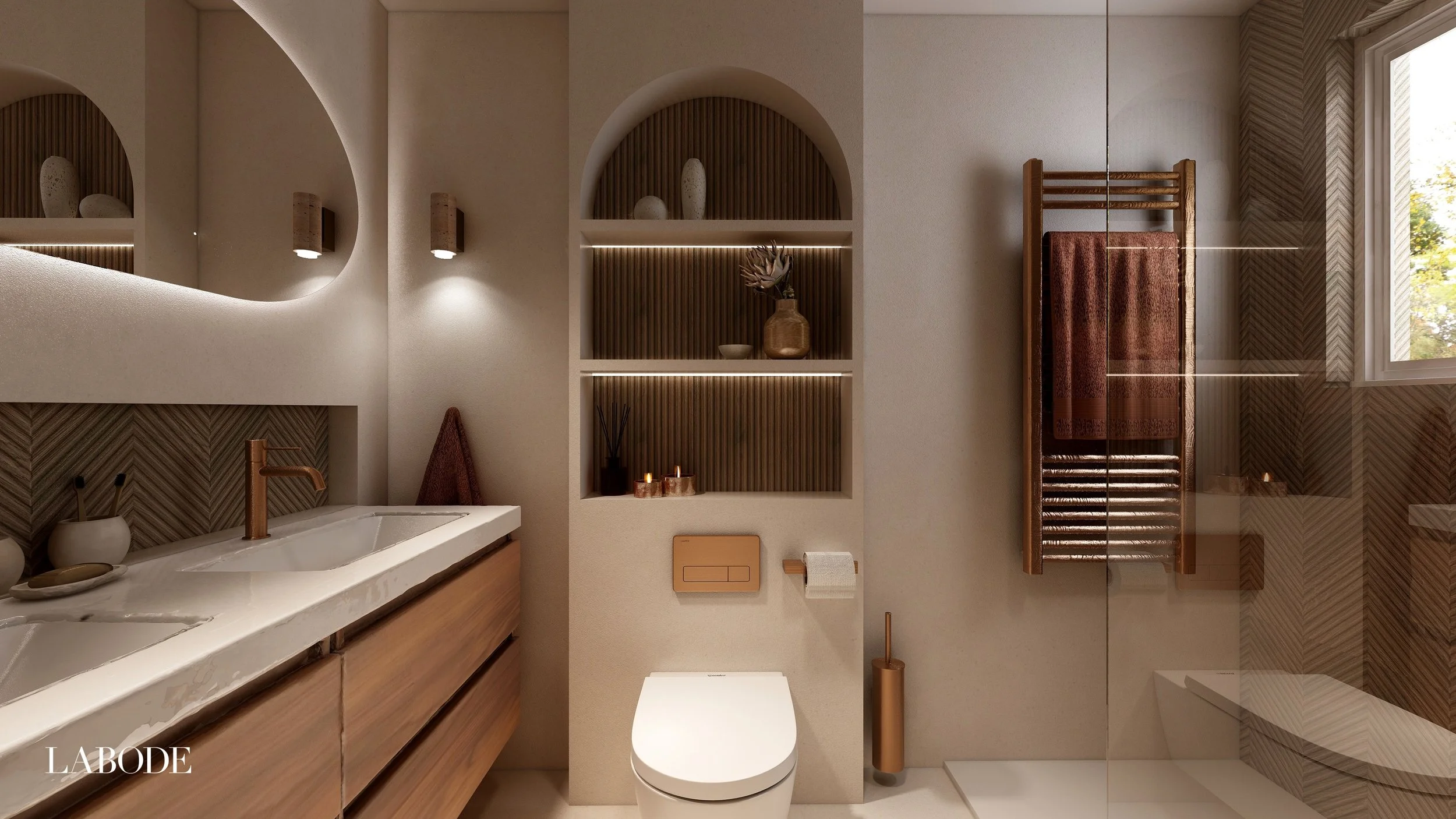
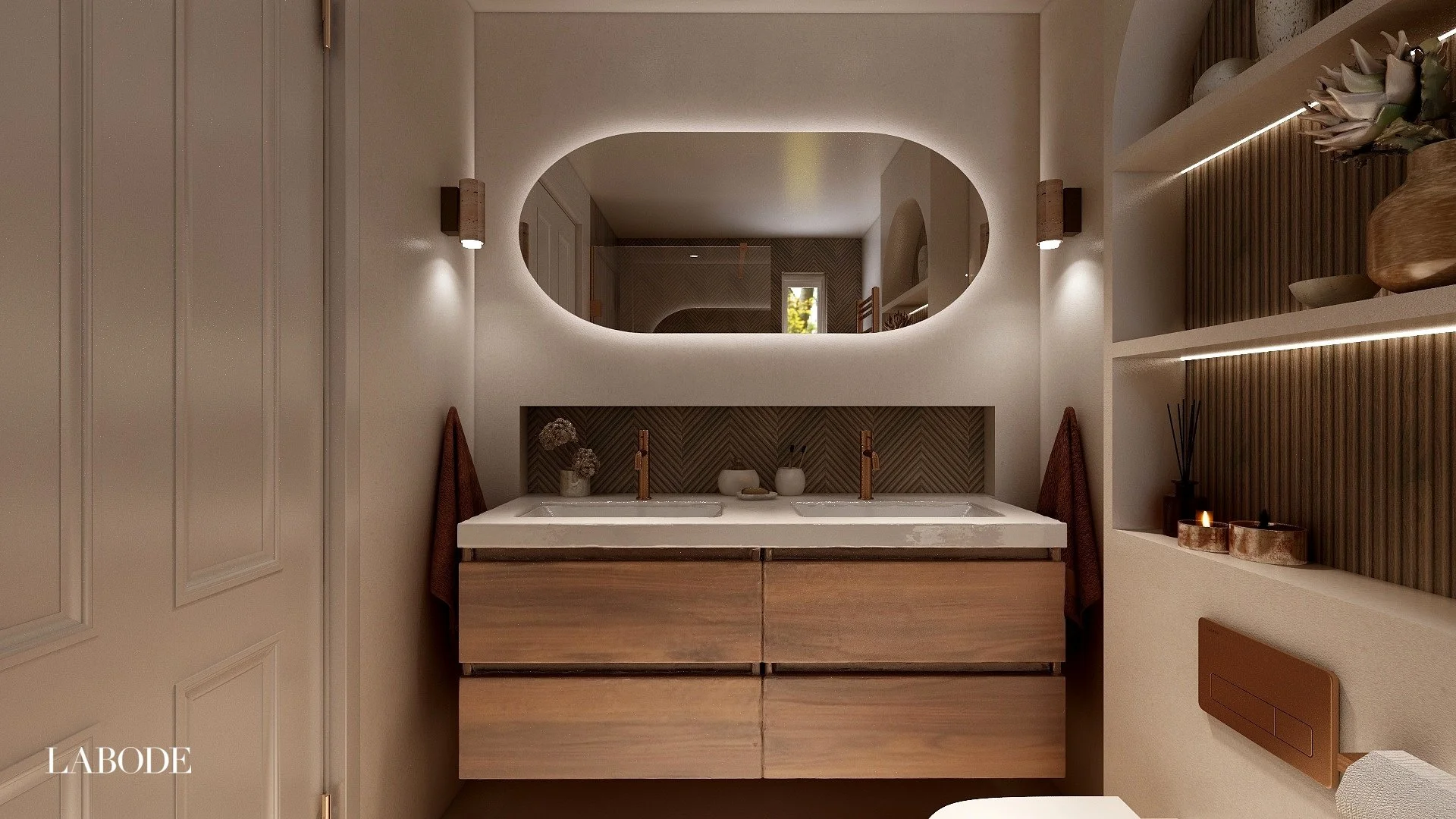
For a more comprehensive project (as shown below), Virtual Design Concept or Curated Virtual Design takes the design further, bringing together the layout, visual direction and 3D visualisation so you can see how the finished space will come together.